
NCGM
The Nordic Centre for Gender in Military Operations (NCGM), was officially established as the NATO Department Head (DH) for NATO’s Gender in Military Operations Discipline in 2013. Since 2018, NCGM is a NATO-accredited Education and Training Facility. NCGM also carries out the role as an Expert Centre on Gender in Military Operations and Women, Peace and Security. Sweden is the Host Nation of NCGM.

Facts about NCGM
Latest news
About NCGM
Nordic Centre for Gender in Military Operations
NCGM was founded in 2012 as a joint Nordic centre with the purpose to promote the participating Nations’ implementation of United Nations Security Council Resolution (UNSCR) 1325, and subsequent resolutions, and to increase the participating Nations’ ability to integrate gender perspectives in military organisations, operations and activities.
While stemming from the Nordic Defence Cooperation (NORDEFCO), NCGM’s participation has expanded over the years. Since the centre was established, three non-Nordic countries have joined: the Netherlands in 2015, Canada in 2017 and Australia in 2023.
NATO Department Head and an Expert Centre
In 2013, upon request from NATO, NCGM was officially established as the NATO Department Head (DH) for NATO’s Gender in Military Operations Discipline. Since 2018, NCGM is a NATO-accredited Education and Training Facility. NCGM also carries out the role as an Expert Centre on Gender in Military Operations and Women, Peace and Security.
Sweden is the Host Nation of NCGM.
Commandant NCGM
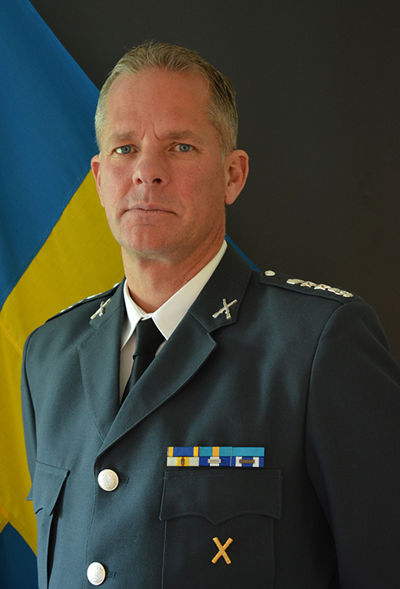
LtCol Olov Kesselmark is the Commandant of NCGM.
Courses at NCGM with application form
NCGM provides international training for a wide audience from senior military leadership to Gender Advisors, Gender Focal Points and trainers for military and civilian personnel from all regions of the world. NCGM also regularly hosts events, workshops, expert meetings, conferences, exercises and networking opportunities. See list of courses and seminars in 2026 and 2027 below.

Photo: Paula Levänen
NCGM courses and seminars
NATO Key Leader Seminar on Gender (KLS)
1 - 2 June, 2027 (residential)
NATO Gender Training of the Trainers Course (GTOT)
7 - 18 September, 2026 (residential in Croatia with RACVIAC)
NATO Gender Focal Point (GFP)
2 - 6 November, 2026 (online)
19 - 22 January, 2027 (online)
20 - 23 April, 2027 (online)
26 - 29 October, 2027 (online)
NATO Commanding Officer Seminar on Gender (COMSEM)
17 - 19 November, 2026 (residential)
6 - 8 April, 2027 (residential)
7 - 9 December, 2027 (residential)
NATO Gender Advisor Course (GENAD)
21 September - 2 October, 2026 (online)
8 - 19 February, 2027 (residential)
20 September - 1 October, 2027 (online)
15 - 26 November, 2027 (residential)
Courses and dates may be subject to change.
How to apply
If you would like to apply to a course at NCGM, please use the application form below. Currently, we can offer courses both residential and online.
If you have any questions, please do not hesitate to contact us: ncgm@mil.se
Application form and documents
Application form (pdf, 579 kB)
Language proficiency (pdf, 57 kB)
Facilities
The facilities available for students at SWEDINT and NCGM include, apart from the lecture rooms, the dining hall, the PE hall, the student lounge and the officers' mess. All within close walking distance from the centres.

Welcome to SWEDINT and NCGM
Below are photos from the facilities hosting SWEDINT and NCGM.
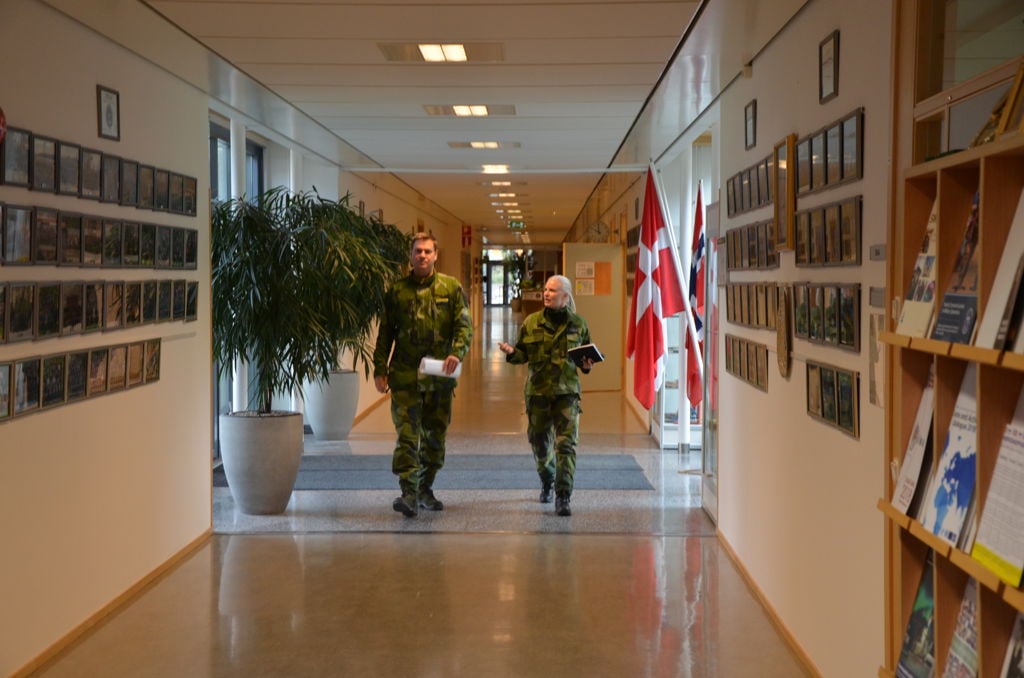
The building was built for the purpose of education and training and inaugurated in 2004, making it a well-functioning and - in relative terms - modern learning environment.
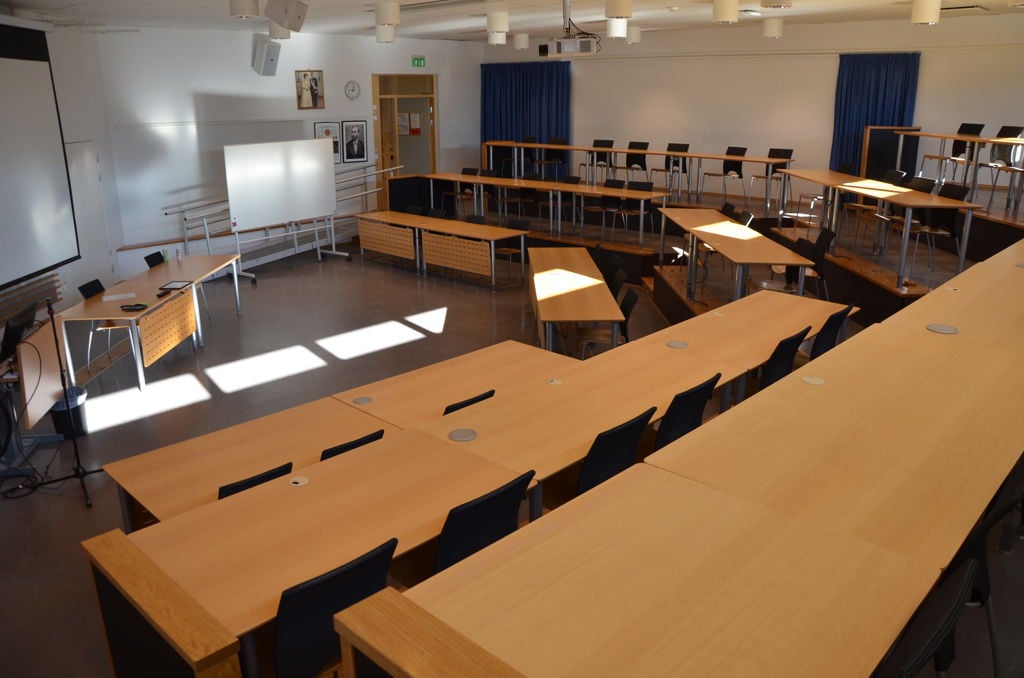
Amphitheatre lecture hall.
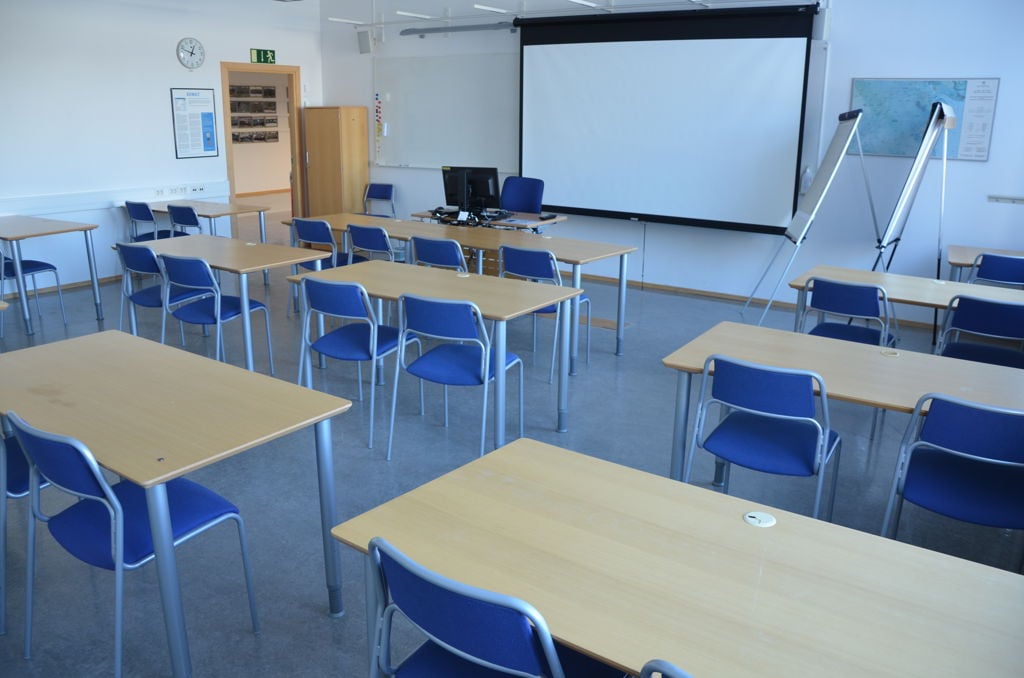
Lecture room.
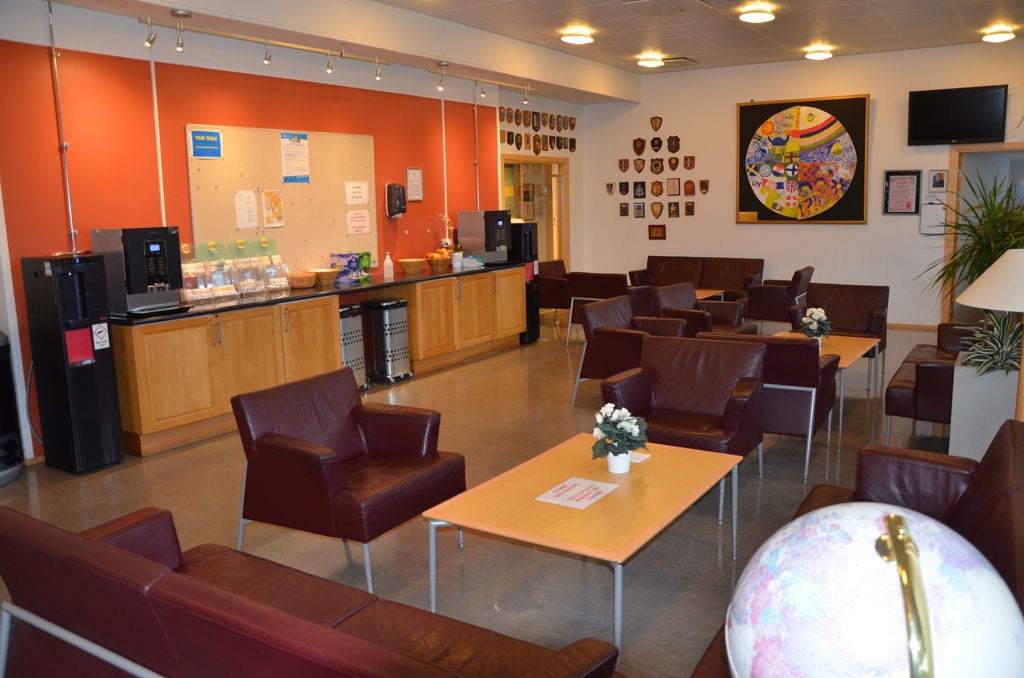
Student lounge.
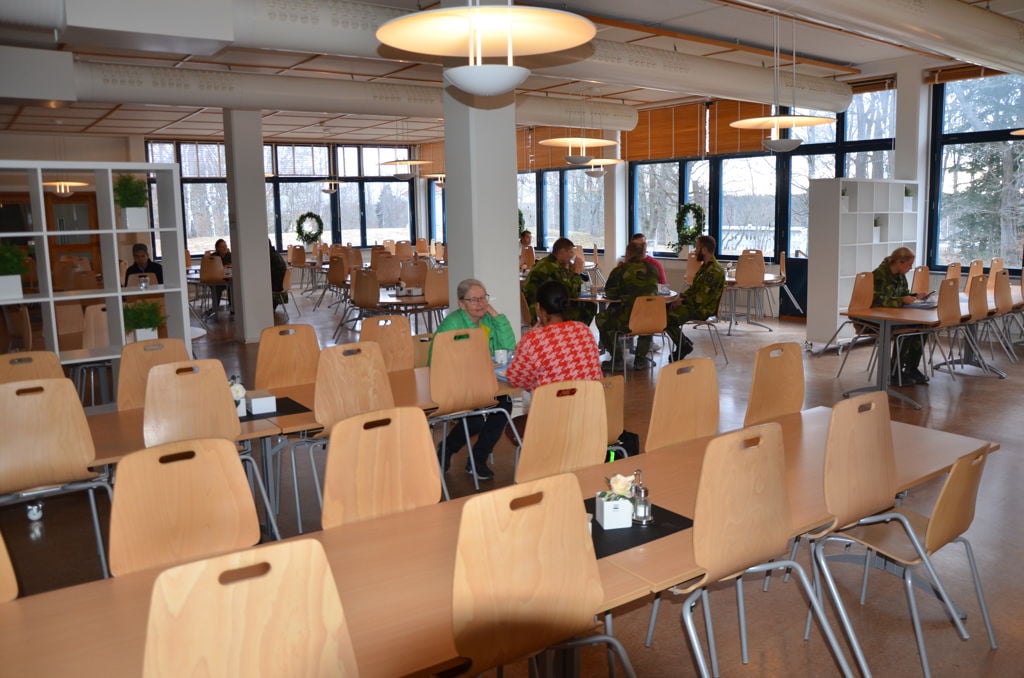
Guards Regiment dining hall.
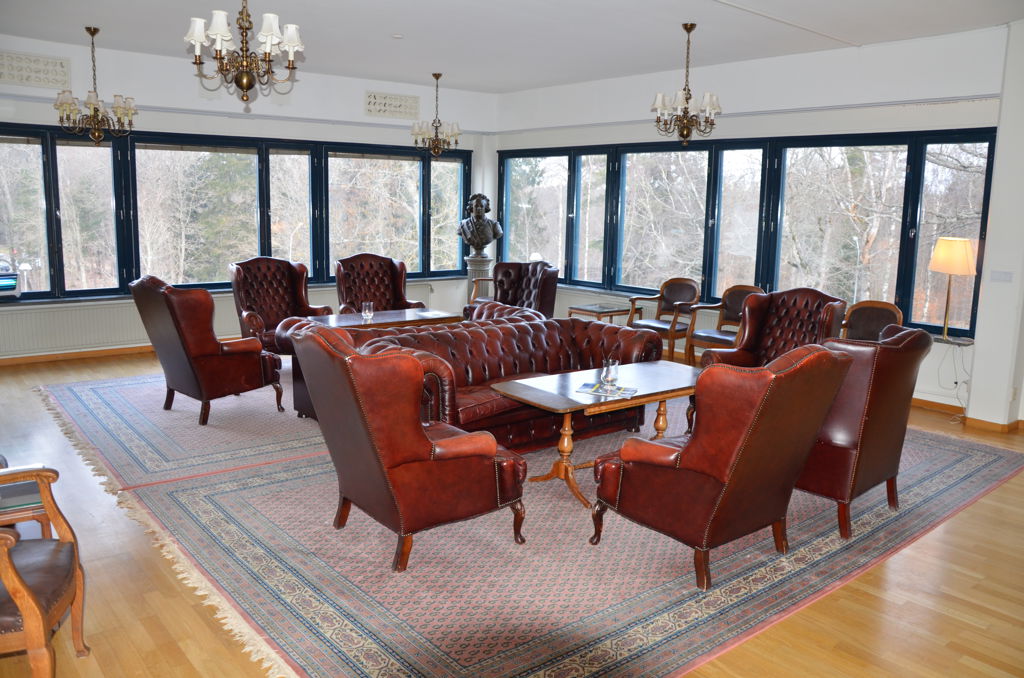
Guards Regiment officers mess.
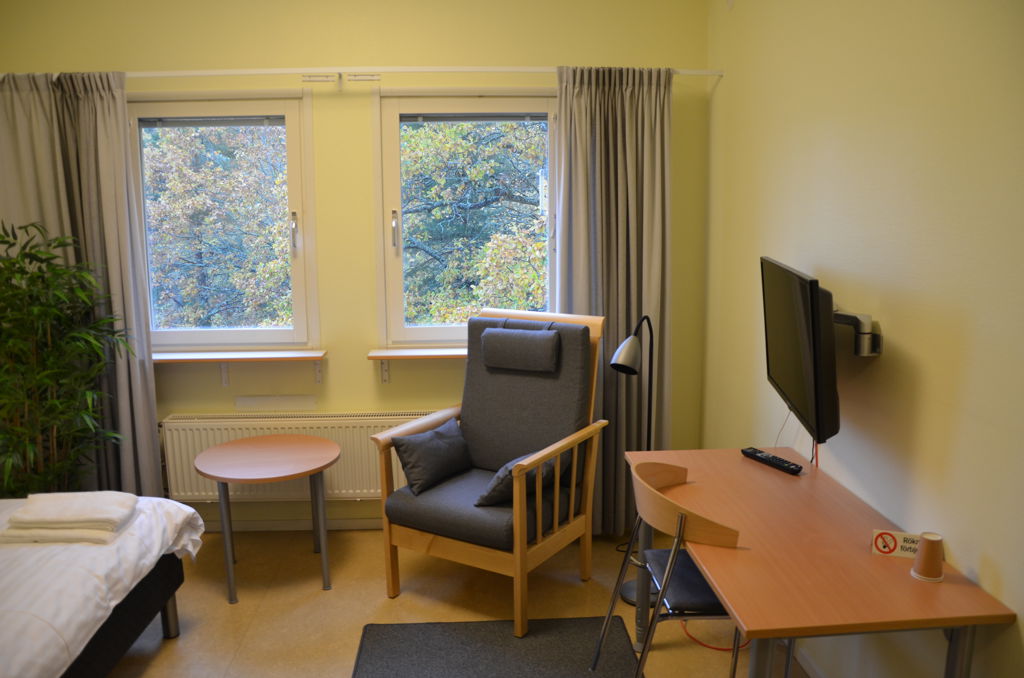
Room at the student hotel.
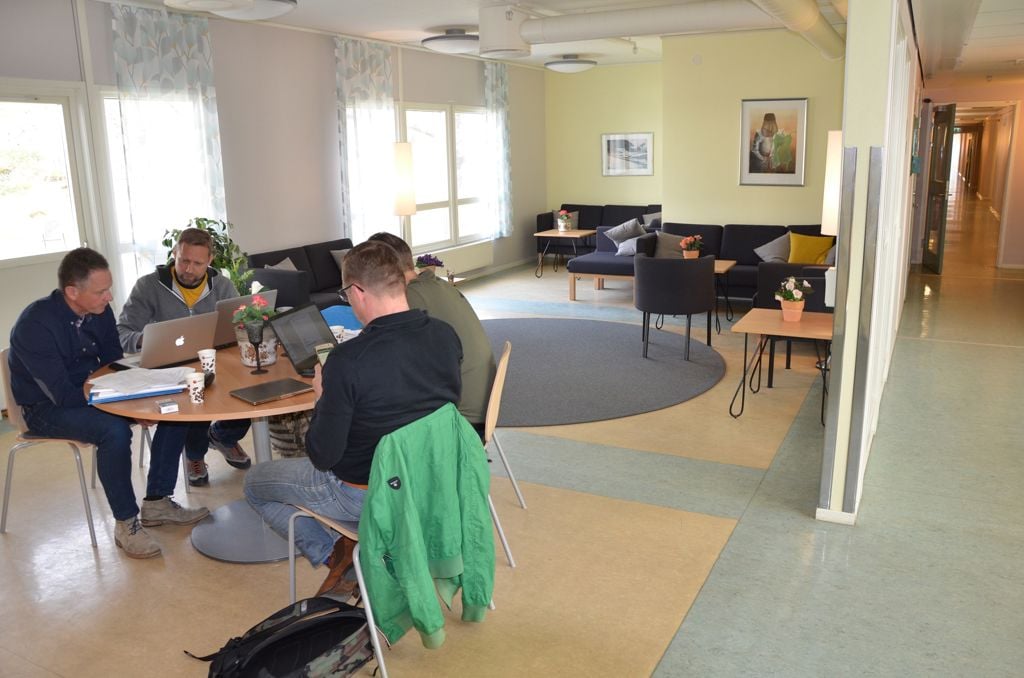
Student hotel lounge.
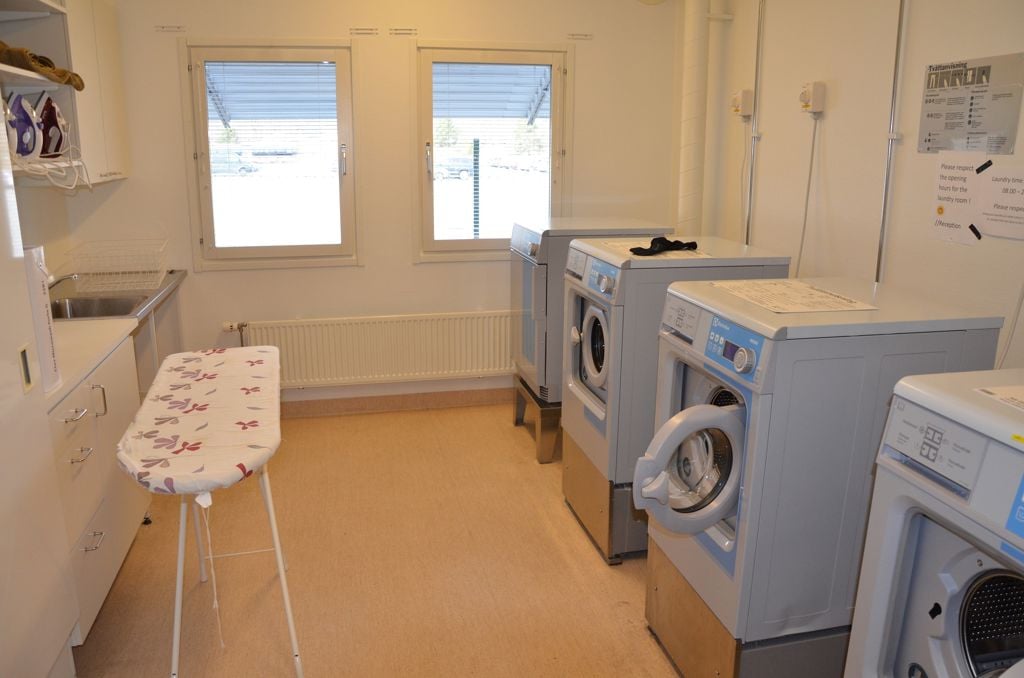
Laundry facility at the hotel.
NCGM Publications
This material may be used for non-commercial purposes. Please credit the publication properly.
Publications
Including:
The Nordic Centre for Gender in Military Operations (NCGM)
Peace Support Operations Training Centre (PSOTC)
Crisis Management and Disaster Response Centre of Excellence (CMDR COE)
RACVIAC – Centre for Security Cooperation
NATO Advanced Distributed Learning course (ADLs)
NCGM Navigation Tool 2026 Full version (pdf, 1 MB)
NCGM Navigation Tool Summary (pdf, 802 kB)
Gender-related guidance relevant to military mandates from UN, NATO, EU, and OSCE. The tool is designed to serve as a navigation and information resource for Gender Advisors, Gender Focal Points, Subject Matter Experts on WPS and GMO, as well as gender-responsive leaders in national armed forces and other military or non-military organisations. More broadly, the tool aims to provide practical guidance on how to implement the WPS agenda effectively within the military and security organisations.
The Military Gender Analysis Tool (MGAT) (pdf, 2 MB)
The MGAT Tool gives an increased understanding of the engagement space by integrating gender perspectives across all phases and levels of military operations. Specifically, the purpose of the MGAT is to:
-Improve situational awareness
-Identify the needs of the military strategic level
-Provide a tool of communication
-Allow for assessment and measurement
-Ensure a holistic approach to gender integration
Target Audience:
GENADs, GFPs, planners and intelligence.
Implementing gender in military exercises. A guide. (2025) (pdf, 2 MB)
This guide explains how commanders, exercise planners, trainers, evaluators and Subject Matter Experts (SMEs) in the ‘Gender Advisory, Support and Analysis Function’ can work to integrate gender perspectives in military operations.
This guide is applicable to all military exercises at all levels: Strategic, Operational and Tactical. Additionally, it can serve as a guide for both large multi-national and national joint exercises, as well as in small training events (e.g. battalion size).
Nordic Centre for Gender in Military Operations. (pdf, 7 MB)
A folder with a short background about NCGM and its courses, and a short introduction about what Gender in Military Operations means.
Policy brief NCGM Expert Meeting on international law and gender. (pdf, 514 kB)
The aim of this policy brief is to capture and elaborate on the key points from the discussions during the Expert Meeting. Specifically, the brief provides guidance and support to better equip the military in its work on prevention and response to Conflict Related Sexual Gender Based Violence (CR-SGBV) as well as provides recommendations on new and strengthened areas of cooperation between different actors.
The report presents the outcome of an expert meeting held on 13 and 14 October 2022, on “understanding and avoiding gendered harm from military operations during armed conflict”. It was organised jointly by the International Committee of the Red Cross (ICRC), the Nordic Centre for Gender in Military Operations (NCGM) and the Swedish Red Cross. This report provides information and guidance as to how gendered harm arising from military operations can be better understood, sets out good practices to avoid and reduce it, and considers associated challenges that confront militaries in contemporary armed conflicts.
The report seeks to inform practitioners engaged in national security or defence, who are concerned with how military operations cause gendered impacts in situations of armed conflict.
Gender perspectives in military operation. A soldier’s card. (pdf, 1 MB)
The card provides an overview of the organisation of Gender personnel in NATO, EU and UN. It shortly presents the seven UN Security Council resolutions on Women, Peace and Security.
Integrating gender perspective in military exercises (2021). (pdf, 3 MB)
This publication provides exercise planners and gender perspective Subject Matter Experts (Gender SMEs) a reference and resource document to assist with effective integration of gender perspectives throughout the entire exercise planning process.
The guide is a supporting tool for commanders and other military leaders responsible for implementing UNSCR 1325 and the subsequent resolutions in the WPS Agenda. It covers implementation both internally within their own organisations and externally, both in national contexts and in international missions and operations. The content is also of relevance for advisors at the military-political level responsible for national policies on WPS implementation, as well as advisors in staff functions in armed forces and other military organisations, particularly Gender Advisors (GENADs).
Thematic analysis: The use of gender perspectives in the conflict in Ukraine. (pdf, 416 kB)
The purpose of this analysis is to raise awareness on the relevance and prevalence of aspects of the Women, Peace and Security agenda and gender perspectives in a modern conflict in Europe. As such, it is intended as a starting point for discussions on the gendered strategies, perspectives and consequences of the war in Ukraine. The analysis provides examples illustrating the relevance of gender perspective in the ongoing conflict.
This publication provides examples of how using gender perspectives in the planning, execution and evaluation of military operations has enhanced the operational effect. The respondents have been given a chance to share their experiences and actions.
This review is the result of the commitment by NATO, and by its Operational Partners in the International Security Assistance Force (ISAF) and in the Kosovo Force (KFOR), to support implementation of UNSCR 1325. The Review is an important initiative that identifies gaps and achievements in NATO-led missions. The report is the effort of an international cooperation between the many NATO nations and ISAF/KFOR partner nations.
Teaching gender in the military. A handbook. (pdf, 3 MB)
This handbook aims to strengthen the capacity of faculty and gender experts to deliver gender education, and to foster the community of practice among experts involved in its creation. This should contribute to the integration of gender in military education in NATO/EAPC countries, ultimately contributing to the integration of gender in military institutions and operations, as mandated by the national, NATO, and international policy framework. In essence, the handbook covers both “what to teach” and “how to teach” when it comes to gender and the military.
About gender perspectives in military operations
Gender perspectives in military operations are essential for improving operational effectiveness, strengthening situational awareness, and enhancing mission success.
Gender perspectives
Modern military environments are complex and involve interaction with diverse civilian populations, local authorities, humanitarian actors, and partner forces. Integrating gender perspectives helps military actors better understand how women, men, boys and girls impact and are impacted by conflicts.
By conducting a gender analysis, military actors can improve intelligence gathering, communication, force protection, and civilian engagement. For example, access to both women and men within local communities can provide broader information networks and improve trust-building efforts. Gender-diverse teams are also often better equipped to identify risks related to human security, population movements, radicalisation, and protection concerns.
The integration of gender perspectives is directly linked to operational capability and mission effectiveness. NATO, the United Nations, and many national defense organisations recognise that gender analysis strengthens decision-making and contributes to sustainable peace and security outcomes.
UNSCR 1325 on Women, Peace and Security highlights the importance of participation, protection, prevention, and inclusive approaches in conflict and crisis management.
Military operations that integrate gender perspectives are better prepared to:
- Understand the operational environment
- Engage effectively with local women, men, boys and girls
- Improve leadership and decision-making
- Strengthen legitimacy and credibility
- Increase operational reach and effectiveness
- Support long-term stability and peacebuilding efforts
Integrating gender perspectives is an essential component of modern military effectiveness and operational success.
Contact us
E-mail: ncgm@mil.se
Facebook: NordicCentreforGender
LinkedIn: Nordic Centre for Gender in Military Operations (NCGM)
X: @ncgmcentre
Postal address:
NCGM
Livgardet
SE - 196 85 Kungsängen
Sweden